Brainspotting
Brainspotting Therapy in Davidson, NC (Lake Norman & Charlotte Area) + Online Therapy in Missouri & Florida
When you’re carrying anxiety, trauma, grief, or chronic stress, it can feel like your mind understands what happened — but your body keeps reacting anyway. Maybe you feel keyed up for no clear reason, your sleep is disrupted, or you shut down during conflict even when you want to stay present. If traditional talk therapy hasn’t fully helped, Brainspotting therapy may be a supportive next step.
Our private practice offers Brainspotting therapy in Davidson, North Carolina, convenient to Davidson College, the Lake Norman corridor, and nearby communities like Cornelius, Huntersville, Mooresville, and North Charlotte. We also provide secure online therapy for residents of Missouri and Florida (where we are licensed), so you can access care from home.

The Essence and Science of Brainspotting
Have you ever noticed that when you’re talking about something difficult, your eyes naturally wander to a specific spot in the room? That isn’t an accident. Brainspotting (BSP) is a relatively new, neurobiologically-based therapy that operates on a simple but profound premise: “Where you look affects how you feel.”
Developed by Dr. David Grand, Brainspotting is a powerful, focused treatment that identifies, processes, and releases core neurobiological sources of emotional and physical pain. While traditional Cognitive Behavioral Therapy (CBT) focuses on the “top-down” approach (using the thinking brain to change emotions), Brainspotting is a “bottom-up” therapy. It bypasses the analytical mind to access the subcortical brain—the area responsible for trauma processing, emotional regulation, and deep-seated survival instincts.
Why Choose Brainspotting Over Traditional Talk Therapy?
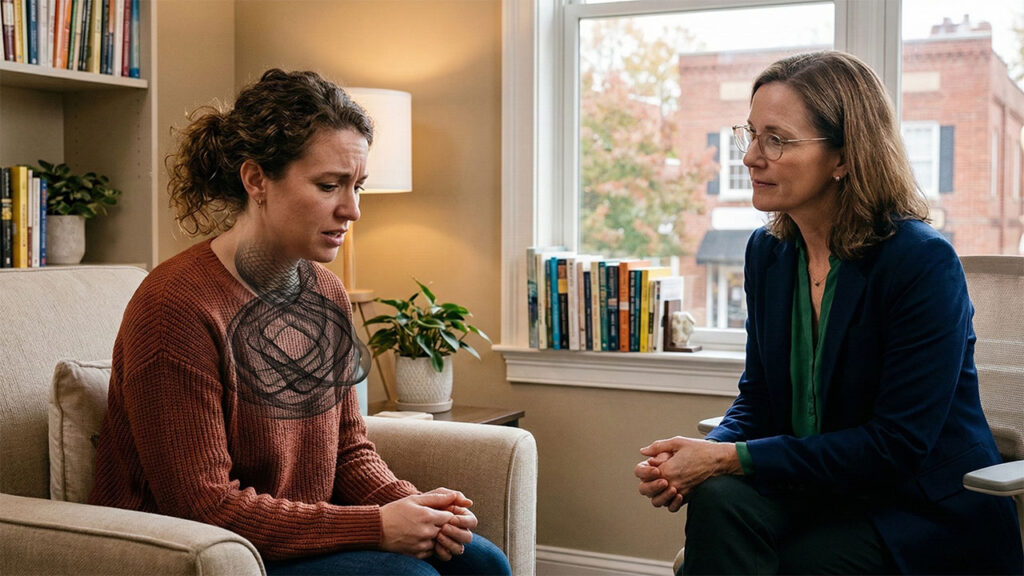
Many of our clients in Davidson and our telehealth clients in St. Louis or Miami come to us feeling “stuck.” They’ve talked about their trauma for years, yet the physical symptoms of anxiety, the “lump in the throat,” or the “tightness in the chest” remain.
The benefits of Brainspotting include:
- Rapid Trauma Resolution: Because we are working directly with the brain’s deep structures, processing often happens much faster than in traditional talk therapy.
- Reduced Physical Tension: Many clients report a significant decrease in chronic pain, migraines, and physical manifestations of stress.
- Emotional Resilience: It helps “de-link” traumatic memories from the intense emotional distress they usually cause.
- Performance Enhancement: Beyond trauma, we use Brainspotting for athletes, public speakers, and creatives in Mecklenburg County to clear “blocks” and improve performance.
The Brainspotting Process: What to Expect
When you enter our office at 903 Northeast Dr., Suite 102, or log into our secure portal, we prioritize your comfort. We move away from the “sterile doctor’s office” feel and into a space that feels safe and grounded.
- Setting the Frame: We begin by identifying a specific issue—a memory, a feeling of anxiety, or a physical sensation—that you want to work on.
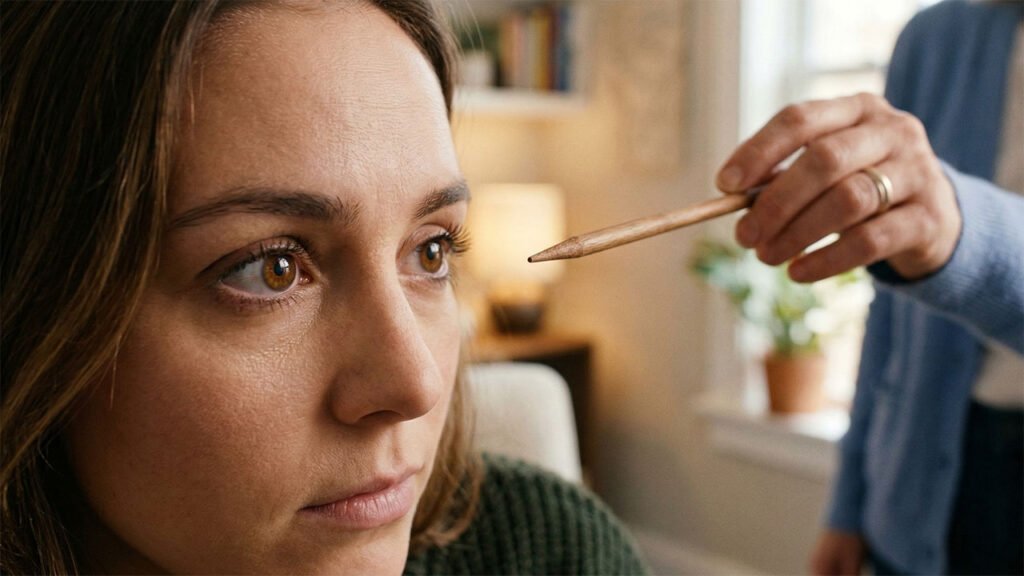
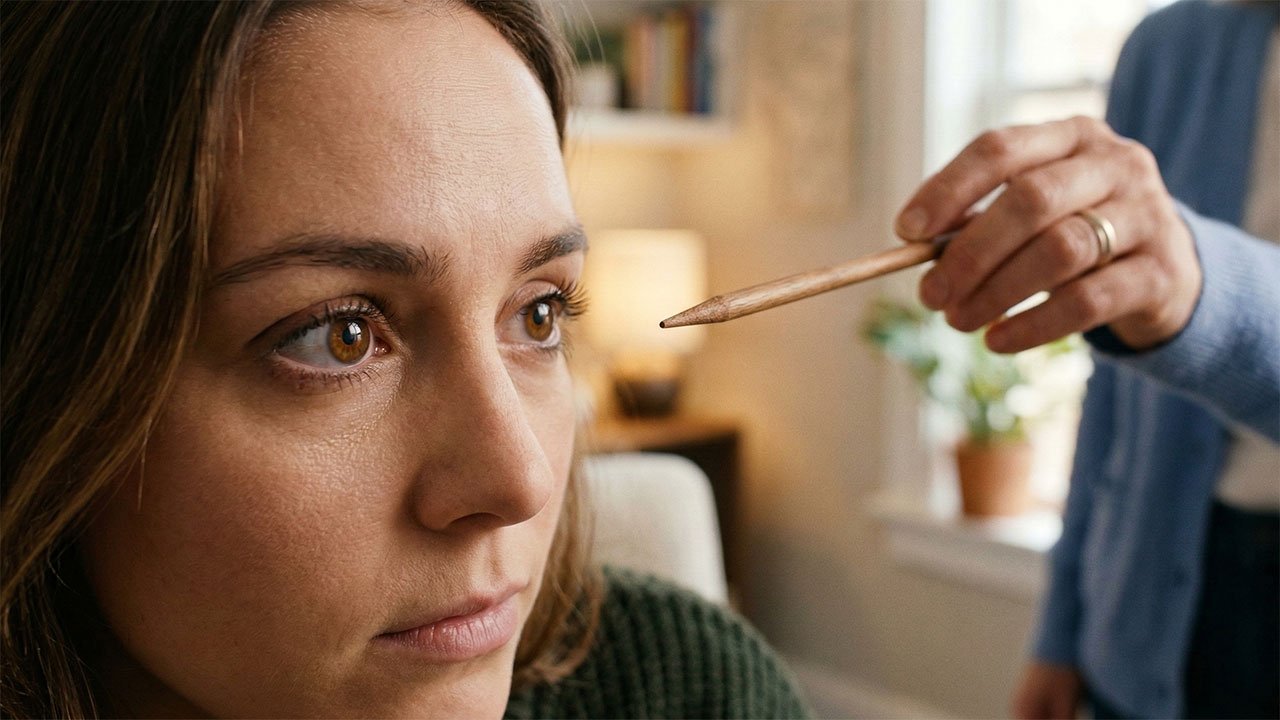
- Locating the Brainspot: Using a pointer or following your natural gaze, your therapist will help you find the “Brainspot.” This is the eye position where you feel the most connection to the issue at hand.
- Focused Mindfulness: Unlike other therapies where you have to constantly talk, Brainspotting allows for long periods of quiet, mindful processing. You simply observe what is happening in your body and mind without judgment.
- Integration: As the session winds down, we “squeeze the sponge,” helping you ground back into the present moment and discussing any insights or shifts you experienced.
The Brainspotting Process: What to Expect
Our team at Wildflower Psychotherapy & Assessment consists of highly trained clinicians who have completed rigorous Brainspotting certifications. We don’t just “do” Brainspotting; we integrate it into a holistic, trauma-informed framework. We are licensed to provide this specialized care not only in North Carolina but also through dedicated online therapy platforms in Missouri and Florida, ensuring that high-level trauma care is accessible regardless of your zip code.
Local Roots & Virtual Reach: Where We Serve
Visit Us in Davidson, North Carolina
Our physical office is located at 903 Northeast Dr., Suite 102, Davidson, NC 28036. We are proud members of the Lake Norman community, serving clients from Cornelius, Huntersville, Mooresville, and the Greater Charlotte area.
Our office is nestled in a quiet, professional complex that avoids the “medical” feel. We’ve curated a space with soft textures and calming colors—think creams, mint greens, and soft lavenders—to ensure your nervous system feels safe the moment you walk through the door.
Online Therapy in Missouri & Florida
Distance shouldn’t be a barrier to specialized trauma care. We offer robust telehealth services for residents in:
- Missouri: From the historic neighborhoods of St. Louis to the bustling streets of Kansas City and the scenic Ozarks, we bring Brainspotting and ESA services to your living room.
- Florida: Whether you are in the vibrant communities of Miami and Orlando or the relaxed shores of Tampa, our Florida-licensed clinicians are available for secure, HIPAA-compliant sessions.
Frequently Asked Questions
While both are “brain-based” therapies that use the eyes, Brainspotting is often described as less rigid and more adaptable. Many clients who find EMDR “too much” or too structured find that Brainspotting allows for a more organic, deeper level of processing.
If you feel like you are constantly “managing” your symptoms but never actually getting rid of them, you are likely a great candidate. It is particularly effective for those with a history of trauma, high-stress jobs, or chronic anxiety.
Absolutely. Whether you are in Davidson or seeing us virtually from Missouri or Florida, Brainspotting is highly effective via telehealth. We use specialized tools, such as digital pointers or “gaze spotting,” to help you find your eye positions from the comfort of your own couch. Many clients actually find it easier to process deep emotions while in their own safe, familiar environment.
Not at all. Unlike hypnosis, you are fully conscious and in the driver’s seat the entire time. You are simply focusing your internal attention. You can stop, take a break, or talk to your therapist whenever you need to. Think of it more like a deep, focused meditation where your therapist acts as a “scaffolding” of support while your brain does its own healing work.
This is one of the biggest “reliefs” for our clients. In traditional talk therapy, you often have to retell your story, which can sometimes feel like you’re re-traumatizing yourself. With Brainspotting, you don’t have to say a word if you don’t want to. Your brain can process the “stuck” energy and the “knot in your stomach” without you needing to find the perfect words to describe it.
While everyone’s brain is unique, many clients experience a noticeable shift in their physical or emotional “activation” after just 1 to 3 sessions. For complex or long-term trauma, we may work together longer. Our goal isn’t to keep you in therapy forever; it’s to help your nervous system find its way back to a “calm” state so you can get back to living your life.
Because we are doing deep work in the subcortical brain, it’s normal to feel a bit “floaty” or tired immediately after a session. We often call this the “processing tail.” Your brain continues to work on the issues for 24–48 hours after we meet. We recommend drinking plenty of water and giving yourself permission to rest after your appointments—treat it with the same care you would after a deep-tissue massage.
Yes! While it’s famous for treating PTSD, we also use it for:
- Anxiety & Panic: Calming the “fight or flight” response in the body.
- Creative Blocks: Helping artists and writers in the Lake Norman area move past “stuck” points.
- Sports Performance: Helping athletes overcome “the yips” or injury-related fear.
- Chronic Pain: Addressing the emotional component that often keeps physical pain “locked” in the body.
Yes, it is a very gentle approach for younger clients. Since children often lack the vocabulary to explain complex feelings, Brainspotting allows them to process their emotions through their natural physiological responses. It can be particularly helpful for kids dealing with school anxiety, bullying, or family transitions.